How to make outfit pairing EASY
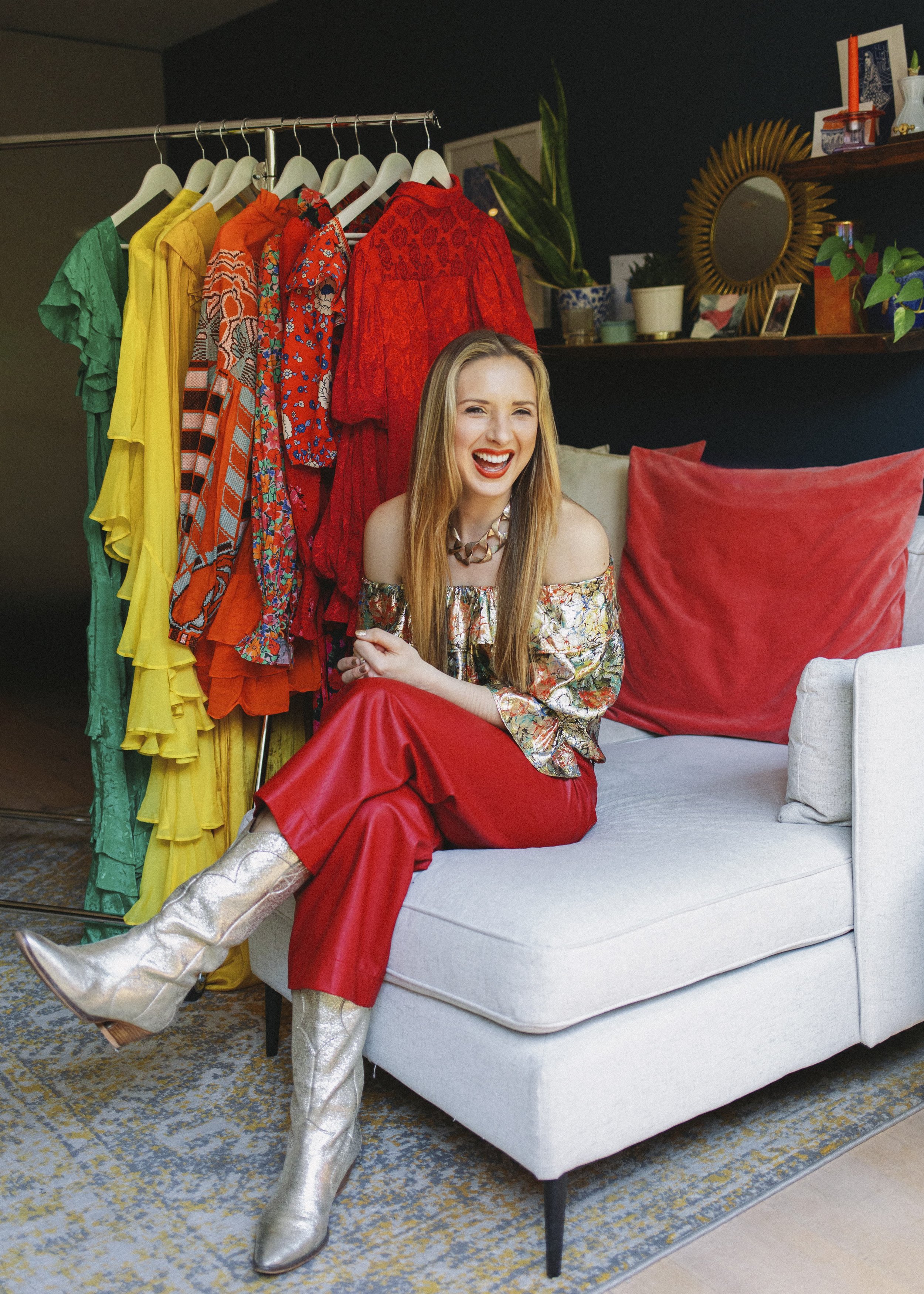
“But how do I know what shoe goes with it?”
“What jacket works?”
“Do I need a belt?”
“How am I meant to remember which accessories to wear?”
And my personal favourite:
“I actually love my clothes… I just never remember how I put the outfits together.”
If any of these sounds familiar, you’re not alone. These are some of the most common questions I’m asked as a personal stylist and London wardrobe stylist.
It’s a task to buy clothes we love, but once we have survived that, we struggle with what to do with them once they’re in the wardrobe.
We buy pieces we love, hang them up, and then either:
Wear them the same way every time, or
Never wear them at all
And then we stand in front of a full wardrobe thinking we have “nothing to wear”.
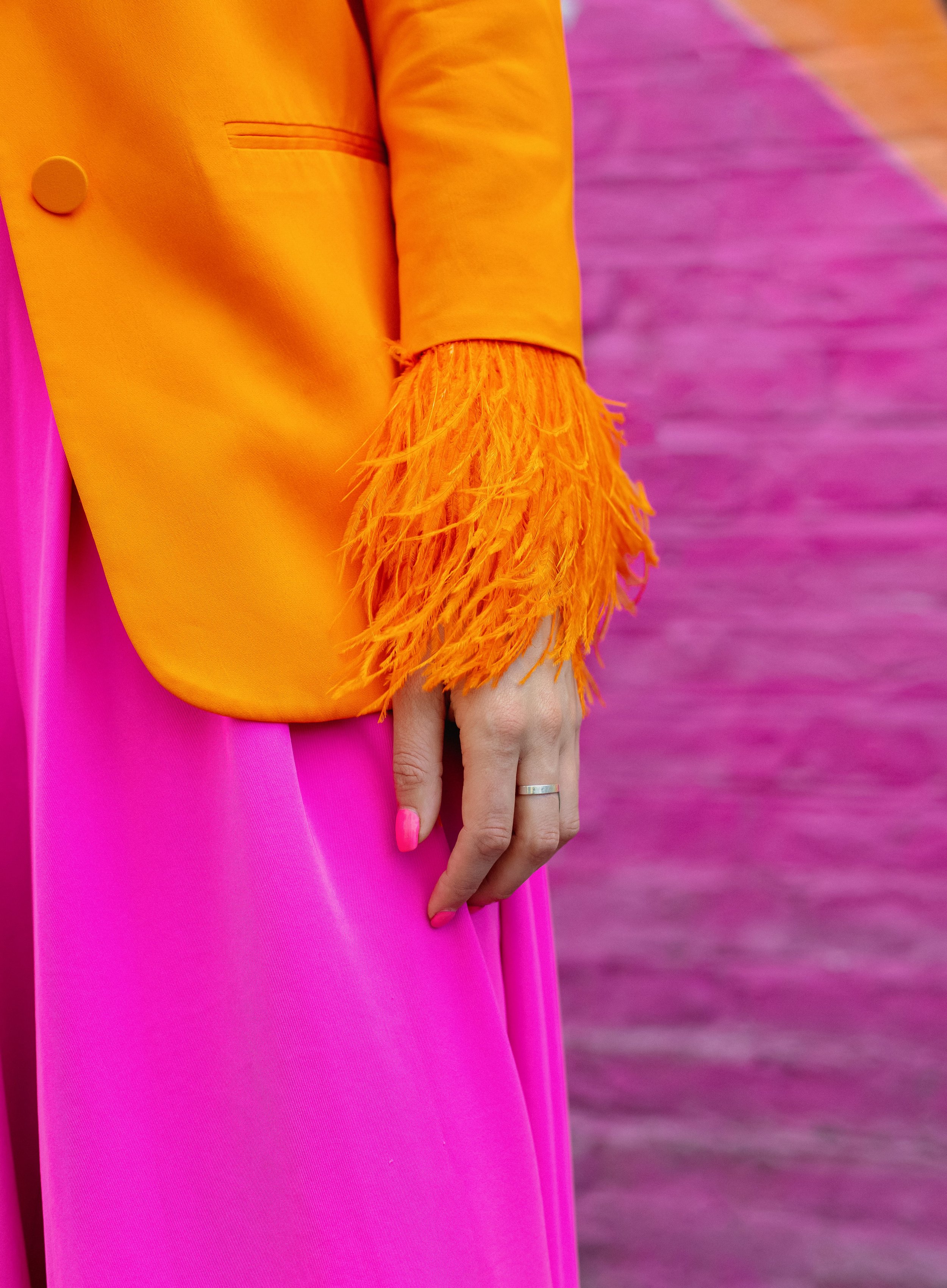
Why outfit pairing is the hardest part of style
Here’s the truth: outfit pairing is the hardest part of getting dressed.
Not shopping… well kinda…
Not trends.
Not knowing what’s “in”.
It’s pulling together:
Old pieces
New pieces
Real life
Mood
Weather
Confidence
As a wardrobe stylist, I see this constantly. We buy clothes in isolation, without a plan, and then feel frustrated when they don’t magically turn into outfits. And then we blame ourselves.
But it’s not your fault.
No one teaches you how to think about your wardrobe.
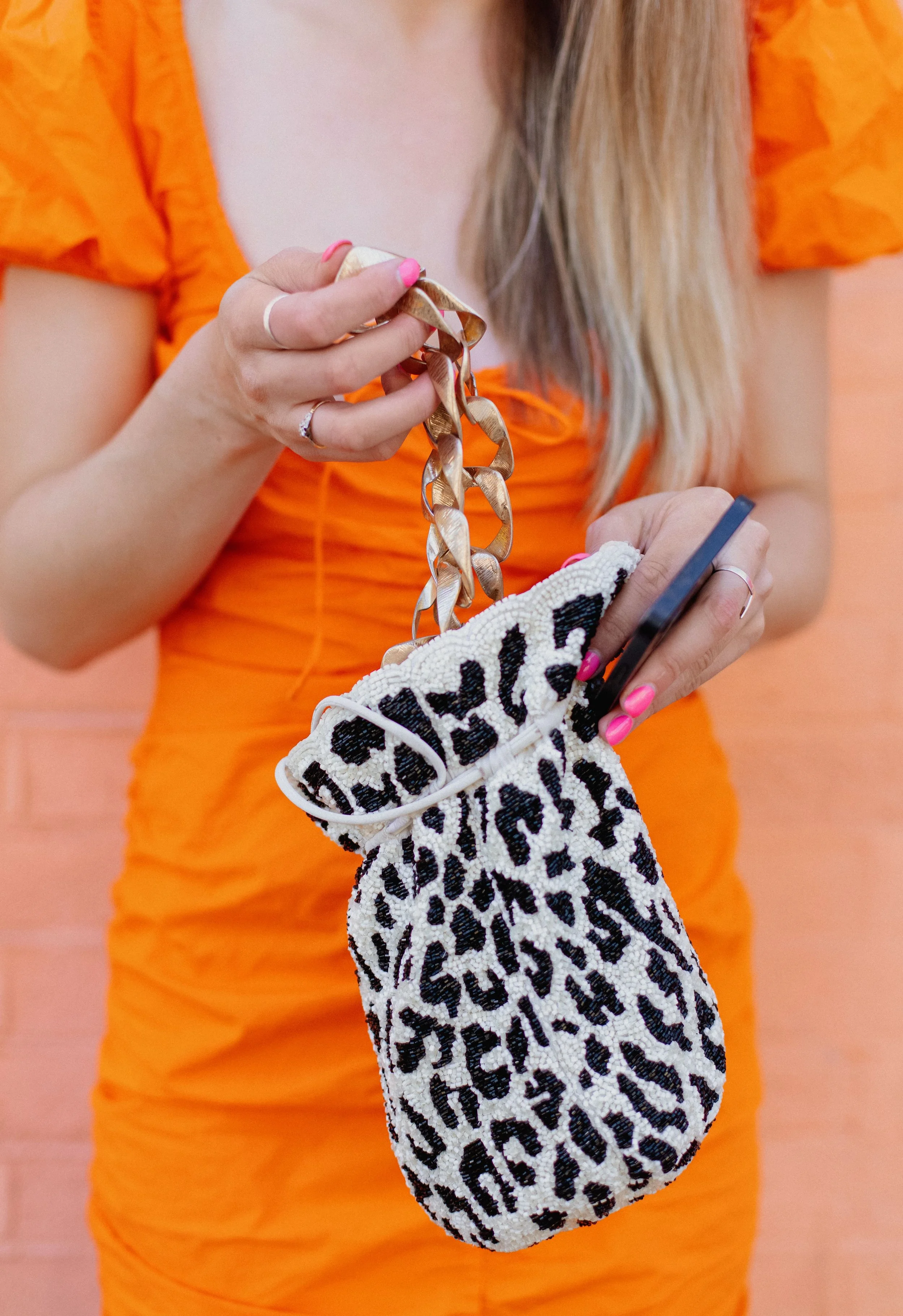
The missing link: how to think about your wardrobe
When I work with clients as a London stylist, we always start with the foundations. This then naturally leads into creating a focus for a proper wardrobe edit.
Step one: your style foundations
Understanding your style personality - more on this in a bit
Knowing what suits your body and lifestyle
Building a wardrobe that reflects this (and that you LOVE)
That’s the “what”. Find out more about your style personality and style foundations here
Step two: using what you already own
This is where things shift.
I help my clients:
Re-style existing pieces in new ways
Remove pieces that no longer serve a purpose within our wardrobes
Stop defaulting to the same outfits
Tailor items to make them perfect for you
Identify genuine wardrobe gaps
Choose quality over quantity
Understand why outfits work
And yet, 9 times out of 10, the same thing happens.
They panic at the final step: actually pulling everything together into outfits.
You can find out more about the benefits of a wardrobe edit with me here
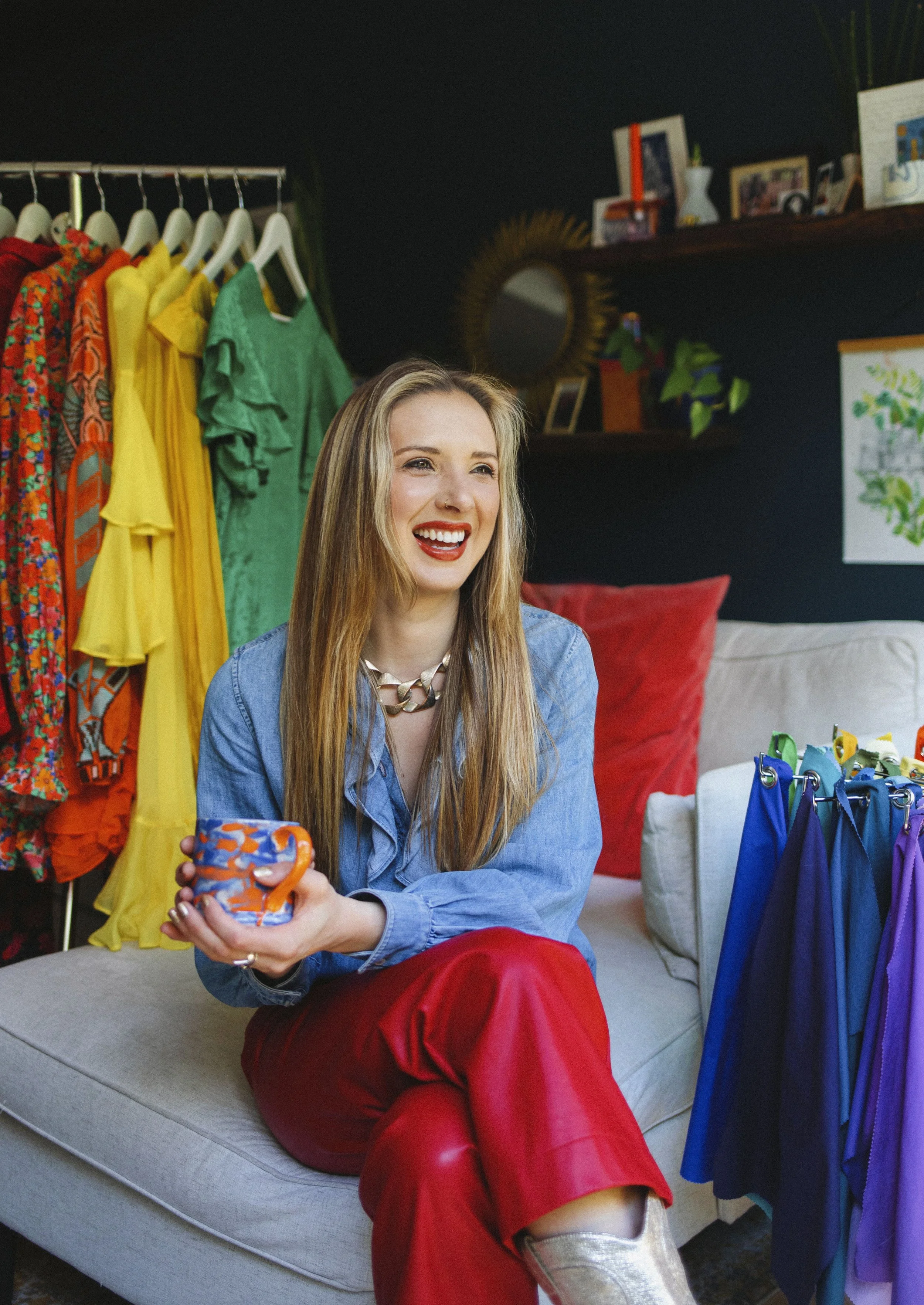
Outfit pairing is an art (and we massively overthink it)
Outfit pairing is the final step, but it requires the most confidence.
We want to feel good. We want to feel amazing.
But some days we feel tired, flat, emotional, or like it’s an effort just to get out of our pyjamas. or we literally have 5 seconds to get ready because of kids and we aren’t a priority.
That’s sadly normal.
Those are actually the days when your wardrobe should be working for you — not against you.
My top outfit pairing tips as a personal stylist in London
These are the exact principles I use with my personal styling clients.
1. Understand what to wear when (your style personality)
The easiest way to put outfits together is to understand what to wear when.
Your style personality reflects:
The clothes you genuinely love
Your lifestyle
How you want to show up aka show the lengend you are to the world
Work-you is different to home-you.
Day-you is different to date-night-you.
Honouring that instantly removes confusion and helps you choose outfits with confidence. Find out more about style personality with my blog here
2. Understand colour (and how you like to wear it)
Colour isn’t about rules — it’s about preference (and ideally what suits you)
You might:
Love monochromatic dressing
Live in neutrals
Enjoy bold colour combinations
If you hate colour, that’s fine. Stick to the neutrals you love.
If you want to wear more colour but feel nervous, start with blue - its the nations fave colour. Take it step by step. Everyone’s journey is different.
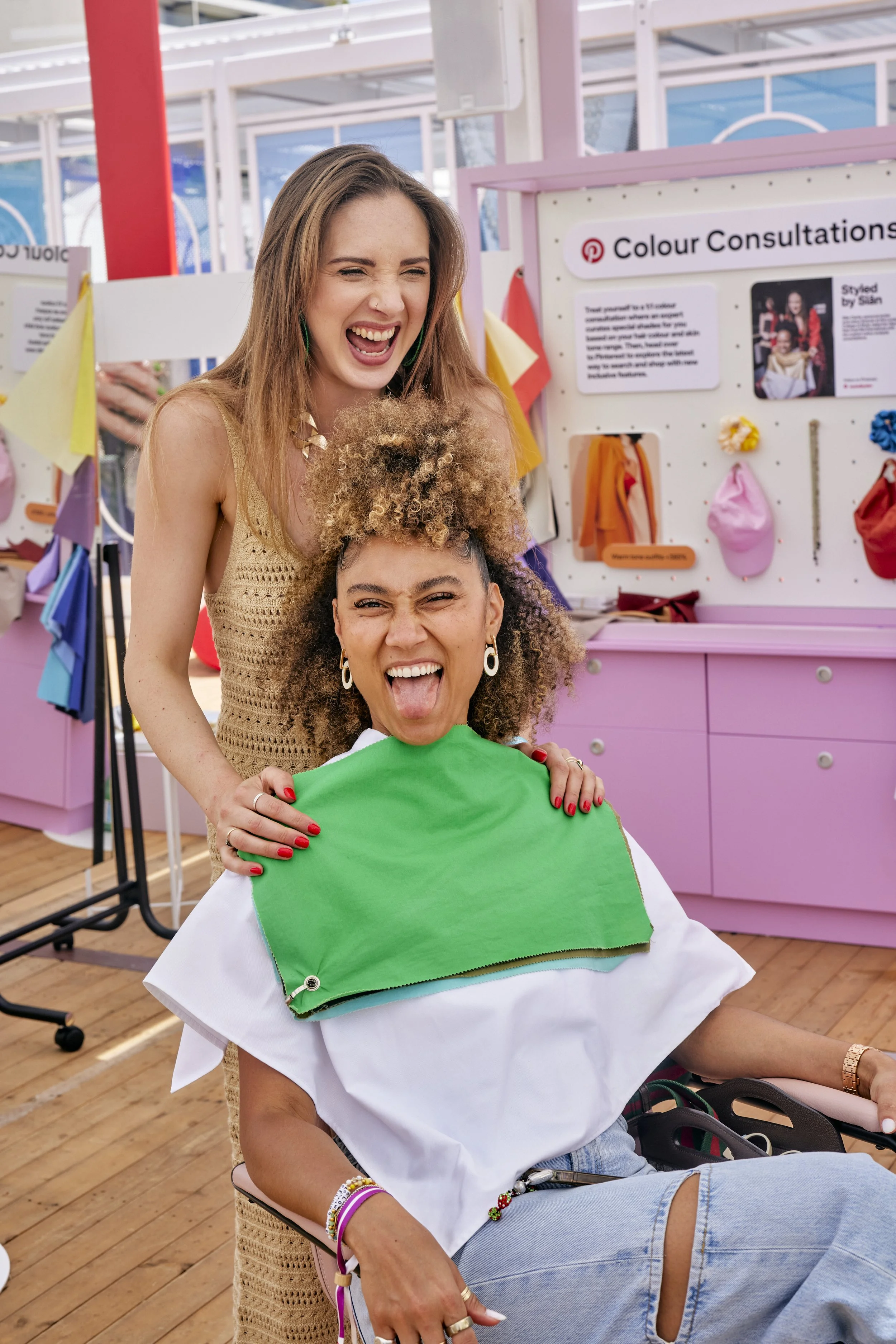
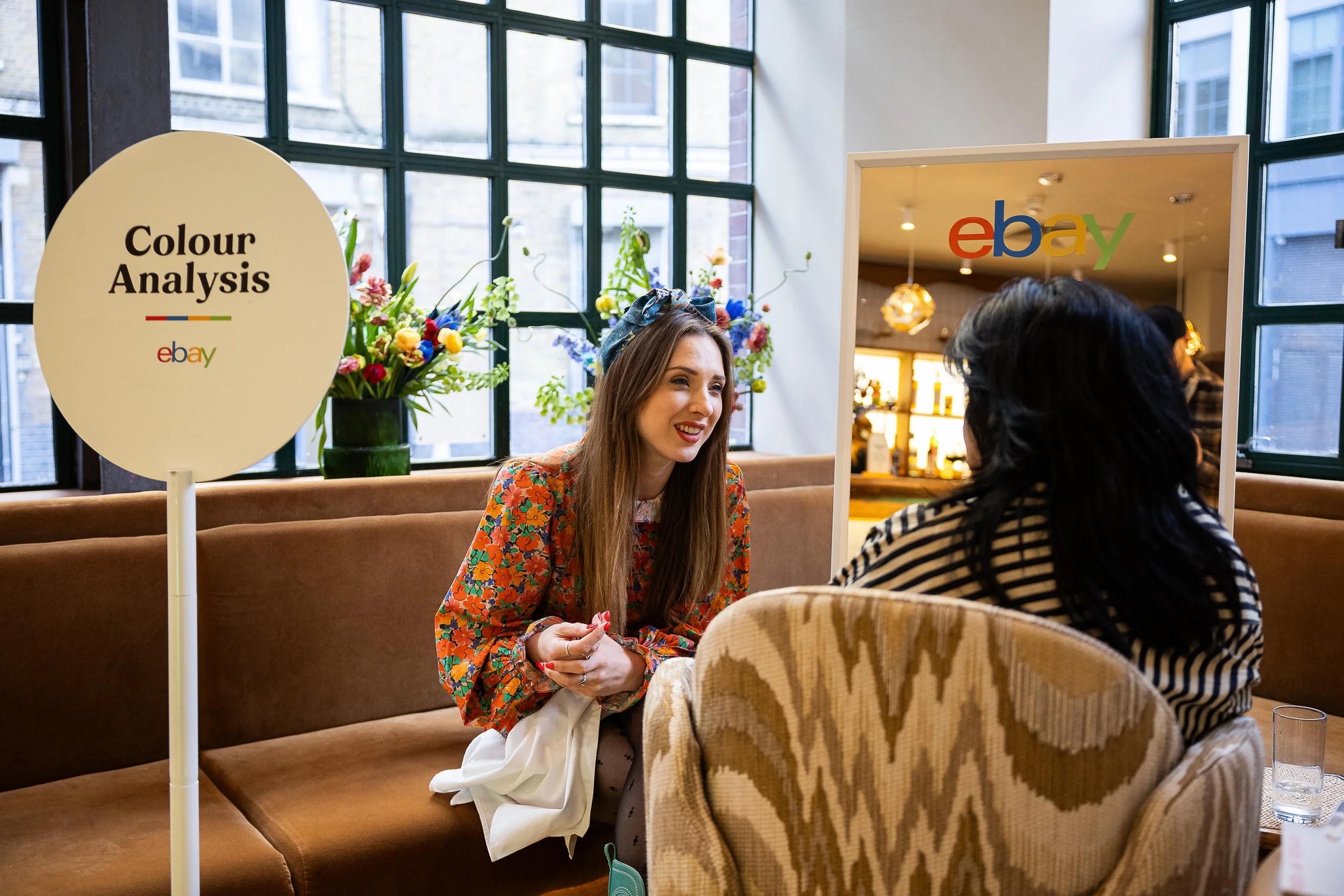
Colour analysis is a great way to discover what colours suit you and find out how to wear them with your existing wardrobe. Its kinda my thing, I also lecture about the technique so if youd like to find out more you can do here
As a wardrobe stylist, my job is to help you wear colour in a way that feels like you, not force you into it. If you wnt to know more abut how to wear colour at work I have a blog from my archives that will give you some inspo here
3. Know what shapes suit your body
Understanding shape is a huge shortcut to outfit success.
While every body is different, my general styling guidelines are:
Open necklines to elongate the frame
High-waisted trousers or skirts for longer legs
Tucking tops in or choosing tops that sit just above the front hip bone
Wide-leg trousers to balance proportions and create length
If you know a blouse needs to be tucked into a high-waisted trouser, you’ll immediately know if it works in the fitting room — instead of feeling like everything looks “off” and blaming yourself for not being able to find a blouse. It’s NEVER you FYI.
4. Create outfit routines (to stop default dressing)
We all wear the same thing because it’s easy.
One of my favourite tricks is a clothing routine:
Mondays = trousers
Wednesdays = dresses
Office days vs casual days planned
This removes decision fatigue and makes outfit pairing far easier.
5. Change one thing every time you wear an outfit
Love a particular piece? Keep it fresh.
Change just one element the next time you decide to wear her:
The top
The belt
The jacket
The shoes
One small switch makes an outfit feel new and you are excited about your outfit instead of bored.
6. Always factor in the weather and the vibe
Before overthinking:
Check the weather
Know what you’re doing
Decide the vibe
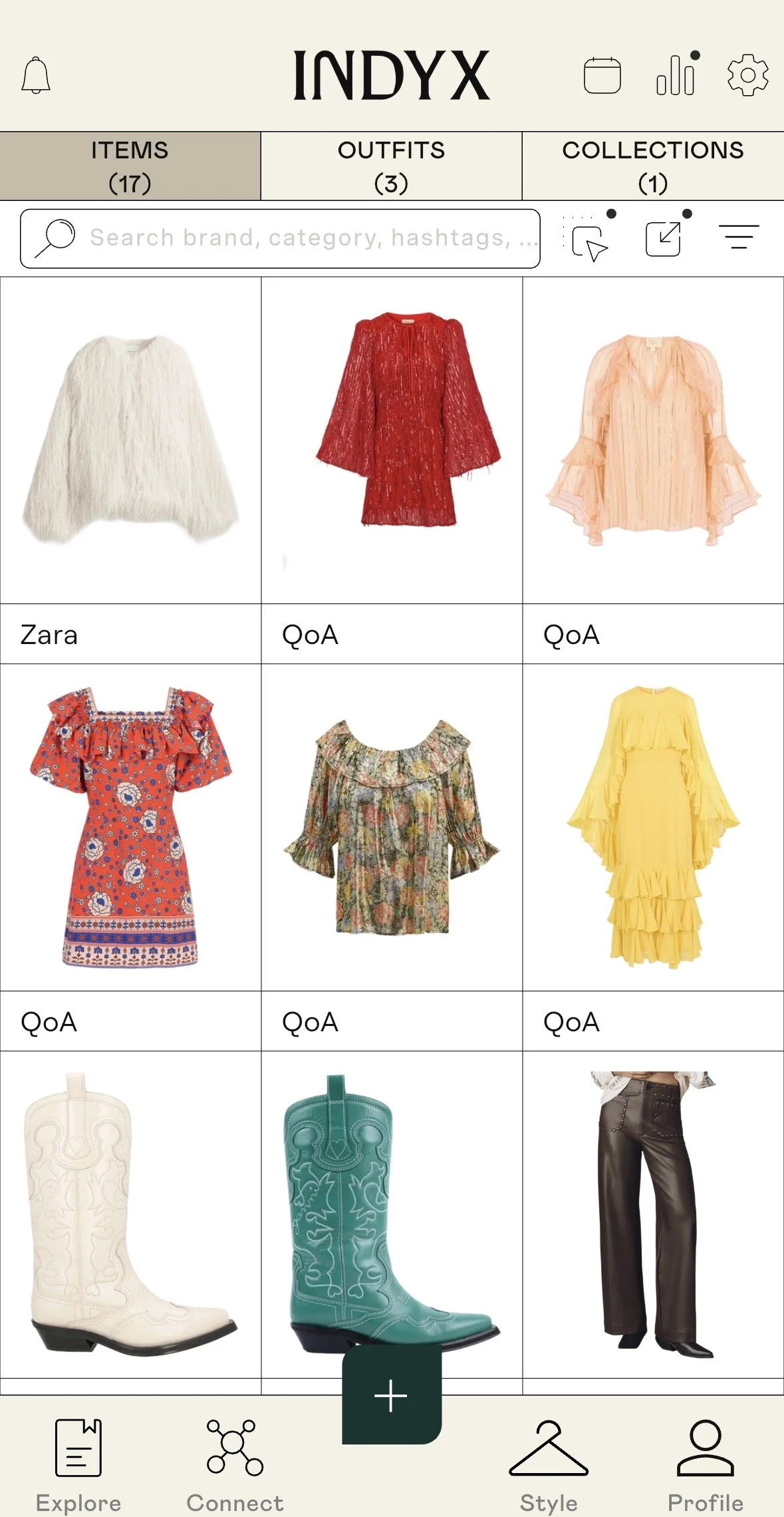
Use a digital wardrobe App like INDYX
Smart? Casual? Day to night?
This clarity simplifies everything.
Why I use a digital wardrobe app with clients
This is exactly why I now offer digital outfit pairing sessions as part of my work as a personal stylist in London.
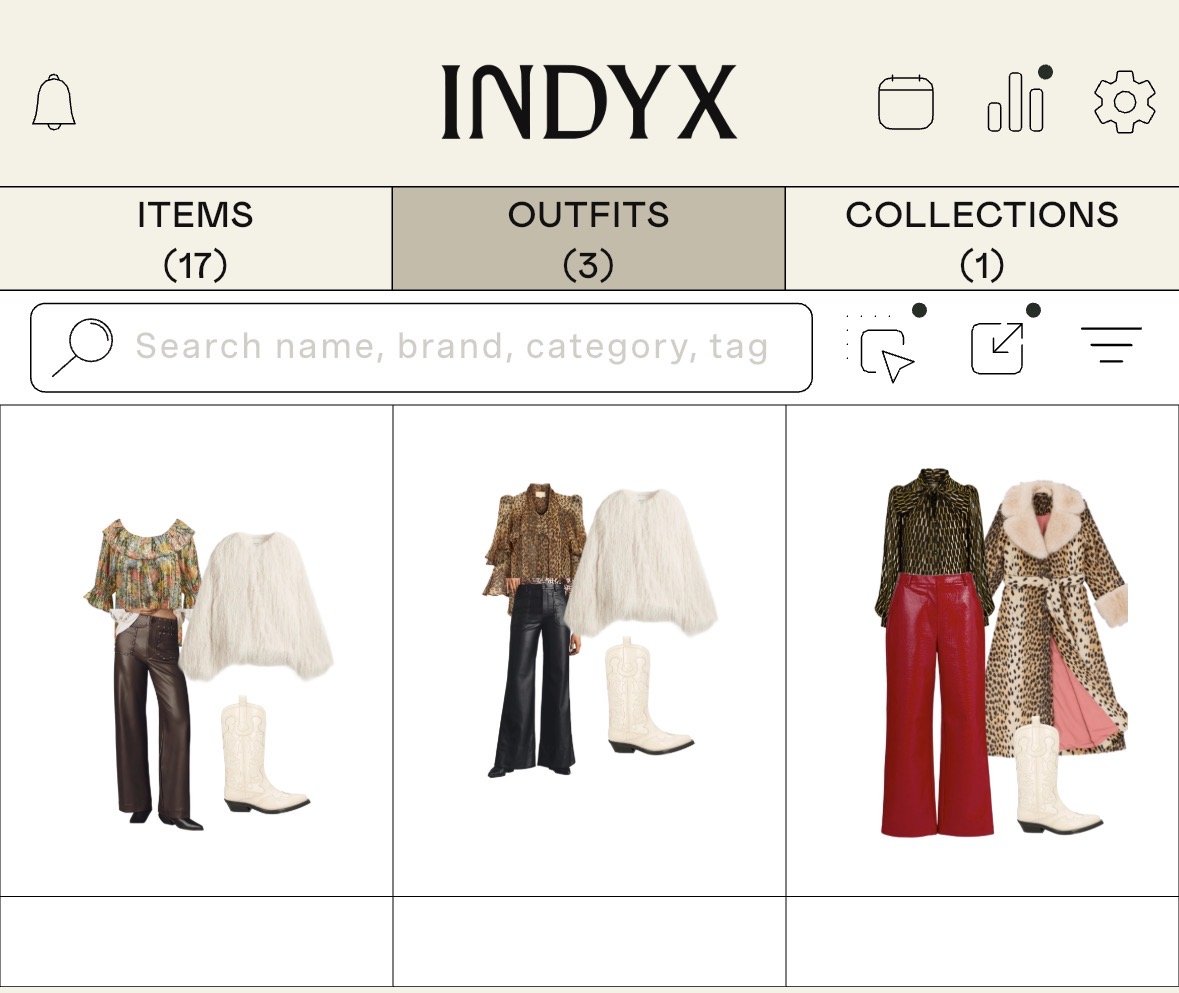
Think Clueless, but on your phone, using INDYX (not sponsored or paid ad - they have no idea I exist LOL)
We upload:
Tops, bottoms, dresses, and one-pieces
Jackets and coats
Shoes
Accessories
All organised around your style.
It allows you to:
Remember what’s in your wardrobe
Build outfits visually
Shop smarter
Stop buying duplicates
Play dress up without having to get undressed constantly
Having to open your wardrobe to plan an outfit - simply go to the app! Voila.
You don’t need to upload everything at once. Start with your favourite pieces — or get me in to do it with you.
I always suggest starting with bottoms, as styling one pair of trousers a few ways is far less overwhelming than styling one top 75 ways.
How to shop smarter (and stop wasting money)
Before buying anything new:
Open your app
Check if it works with a minimum of three existing pieces
If it doesn’t, it’s not working hard enough.
Your wardrobe should work hard for you.
Not the other way around.
Final thoughts on outfit pairing
Outfit pairing isn’t about having more clothes. SHOCK!
It’s about clarity. Knowing what suits you, understanding what you actually like, and then giving yourself permission to experiment within your own wardrobe.
One of the easiest ways to experiment? An app like INDYX. I’ve tried and tested it, so I can save you the app overwhelm right there. It also stops you trashing your bedroom and getting into a full tizzy every time you open your wardrobe trying to find the right thing for the occasion.
With the right wardrobe edit, guidance from a London wardrobe stylist, and a better way of thinking about your clothes (inspired by my styling tips here), getting dressed becomes easier, faster, and way more enjoyable. Your wardrobe works for you — not you having a meltdown every time you open her up.
And if you’re ever stuck in a fitting room wondering if something works… you can always text me.